


Mulakhi (Hiking)
 Wishlist
Tour Overview
Mulakhi
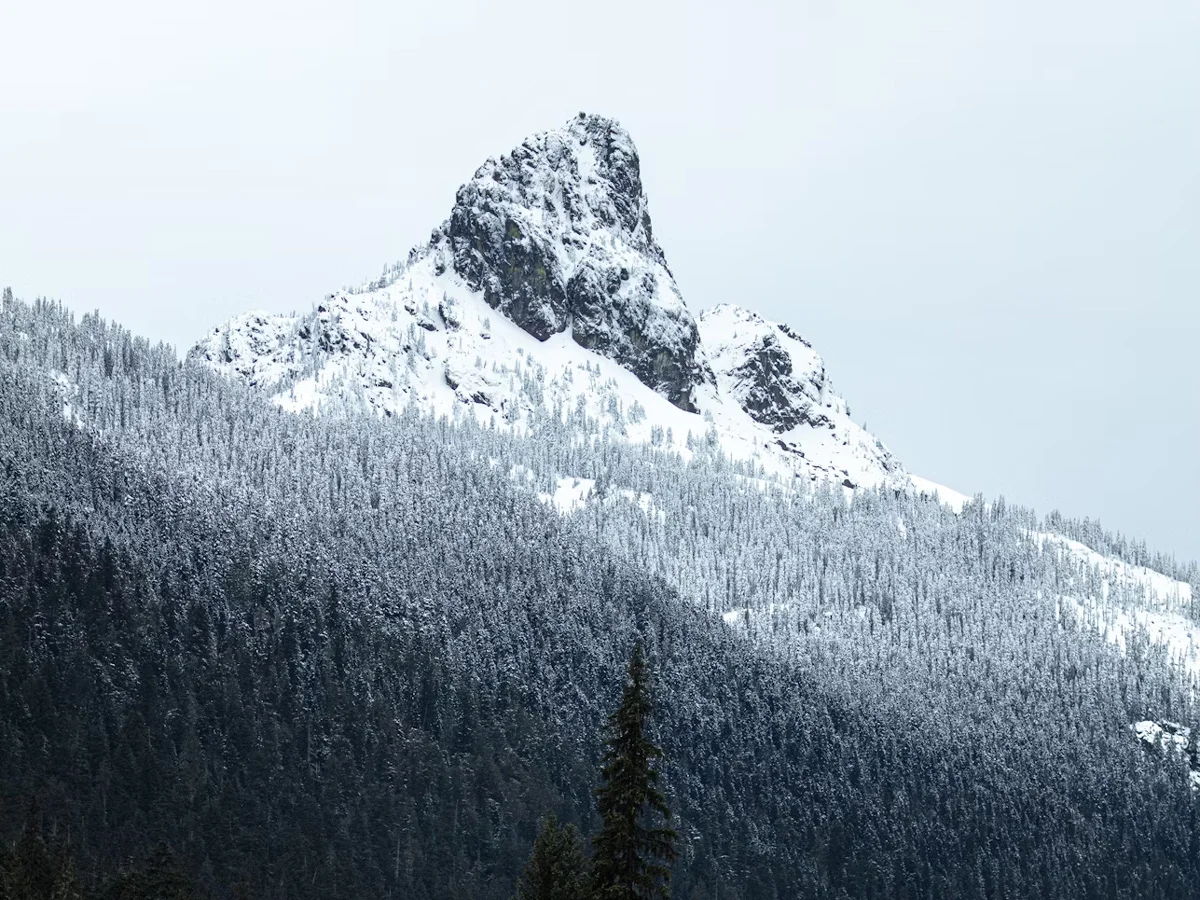
Mulakhi (მულახი) is one of the most important village communities in Upper Svaneti, east of Mestia, and one of the best places to understand how mountain life, trekking routes, sacred architecture and the Tetnuldi landscape come together in one valley. Many travelers pass through parts of Mulakhi without realizing it. They may hike toward Zhabeshi, look up at Tetnuldi, or drive through the valley on the way deeper into Svaneti. But Mulakhi is more than a roadside name. It is a living community, a route corridor, a mountain-view zone and a cultural landscape in its own right. For many visitors, Mulakhi answers a practical question: Where can I go near Mestia if I want real villages, hiking access, Tetnuldi views and a quieter side of Svaneti?- Close to Mestia, but calmer and more village-based
- Important for hiking, snowshoeing and Tetnuldi access
- Includes Zhabeshi and other old Svan settlements
- Good for culture, scenery and slower travel
Why Mulakhi Matters
Mulakhi matters because it sits at the intersection of several different Svaneti experiences:- village culture
- trekking routes
- winter movement between settlements
- Tetnuldi access and mountain views
- church and tower heritage
Where Mulakhi Is
Mulakhi lies east of Mestia in the Mulkhura River Valley, on the road and hiking corridor leading toward the villages below and around Tetnuldi. Georgia Travel's Mestia – Zhabeshi route explains that the hike from Mestia to Zhabeshi follows the Mulkhura River Valley and passes through several settlements belonging to the wider Mulakhi area. This makes Mulakhi especially useful in itinerary planning because it is:- close enough to Mestia for a day trip
- large enough to support multi-stop village exploration
- important as a staging area for hikes
- visually tied to major peaks such as Tetnuldi, Ushba and Gistola
Mulakhi Is a Community, Not Just One Village
This is the key point most short travel descriptions leave out. Historical and public reference material in Georgian describes მულახის თემი as a larger community made up of multiple villages. Modern travel pages often highlight only one or two names, but the route descriptions reveal more of the structure. On the Mestia – Zhabeshi route, Georgia Travel lists the villages of:- Lakhiri
- Cholashi
- Majvdieri
- Chvabiani
- Tsaldashi
- Zhabeshi
- Mulakhi
- Zhabeshi
- villages near Mestia
- Tetnuldi base village
- Mulkhura valley
Zhabeshi and the Tetnuldi Connection
If one village gives Mulakhi the clearest international travel visibility, it is Zhabeshi. Georgia Travel places Zhabeshi at around 1,600–1,680 m above sea level and describes it as lying at the base of Tetnuldi Peak, with clear views toward the mountain. It also explains that the road from Zhabeshi climbs toward the Tetnuldi ski area and then onward toward Adishi. This gives Mulakhi a very important role in Svaneti travel:- it is part of the approach to Tetnuldi
- it is a trekking gateway
- it offers some of the best lower-valley views toward the peak
- it works as a village stay alternative to central Mestia
Hiking Through the Mulkhura Valley
Mulakhi is one of the most useful village zones in Svaneti for people who want to move through the landscape, not just stop for photos. The official Mestia – Zhabeshi hiking page describes a route of about 17 km, taking roughly 6–7 hours, passing through multiple old Svan villages in the Mulkhura Valley. This makes Mulakhi one of the best places to understand Svaneti as a connected settlement landscape rather than a collection of isolated attractions. There are several strong route ideas tied to Mulakhi:- Mestia – Zhabeshi for a classic walking day through villages
- Zhabeshi – Adishi for trekkers continuing deeper into Upper Svaneti
- Zhabeshi – Tviberi Glacier for stronger hikers wanting a difficult mountain route
- winter Mestia – Mulakhi snowshoeing for scenic village-to-village movement
- hiking
- trekking
- snowshoeing
- driving village routes
- mixed cultural-nature itineraries
Churches, Towers and Historic Architecture
Like other historic Svan communities, Mulakhi is also important for architecture and sacred heritage. The best-known monument in public travel material is Zhabeshi Church of the Savior, a 10th-11th century church in the Mulakhi community. Georgia Travel describes it as a hall-type church built from hewn travertine, with preserved liturgical objects and surviving traces of 12th-century frescoes. Even from that one monument alone, the historical depth of the valley becomes clear. Mulakhi’s wider importance goes beyond one church. Wikimedia’s Mulakhi community category and Georgian archival references reflect the broader visual pattern of the area: village clusters, towers, old houses, churches and long-settled slopes tied to the mountain valley. This matters because Mulakhi is not only a route corridor to somewhere else. It is itself part of the historic built landscape that makes Upper Svaneti distinctive.What Makes Mulakhi Different from Mestia
Mestia is the regional center. Mulakhi is the slower village corridor beside it. That difference is exactly what gives Mulakhi value. Compared with Mestia, Mulakhi usually offers:- less traffic and less density
- stronger feeling of moving through separate villages
- closer everyday contact with the agricultural and residential side of Svaneti
- more route-like travel, where the journey between places matters
- better sense of Tetnuldi as a surrounding mountain presence
Best Time to Visit
Mulakhi can be meaningful in every season, but the reason to go changes. Late spring to autumn is best for village walking, route linking, hiking and mixed cultural-nature days. This is the most flexible season if you want to combine Mulakhi with Zhabeshi, Adishi-bound trekking or a church-focused itinerary. Winter is also relevant, especially if you want:- snow-covered village scenery
- access to the Tetnuldi area
- snowshoeing instead of skiing
- photography with strong mountain contrast
How to Visit Mulakhi Well
The best way to visit Mulakhi is to treat it as a layered area, not a single checkbox.- Combine several villages instead of stopping only once.
- Include Zhabeshi if you want the strongest landmark anchor.
- Use local explanation if churches or community history matter to you.
- Pair the route with food, storytelling or photography for a richer day.
- If hiking in the valley, think in terms of a route, not a viewpoint.
Frequently Asked Questions
Where is Mulakhi?
Mulakhi is in Upper Svaneti, east of Mestia, in the Mulkhura River Valley.Is Mulakhi one village or many?
Mulakhi is best understood as a community of several villages rather than one single compact settlement.What is the most famous village in Mulakhi?
Zhabeshi is probably the most recognized village in the Mulakhi community because of hiking routes, Tetnuldi access and the historic Church of the Savior.Is Mulakhi worth visiting if I am staying in Mestia?
Yes. It is one of the best nearby areas for travelers who want villages, culture, quieter scenery and route-based exploration.What can I do in Mulakhi?
You can walk between villages, visit churches, use it as part of a trekking route, snowshoe in winter, enjoy valley views and build a culture-focused itinerary around Zhabeshi and surrounding settlements.Is Mulakhi connected to Tetnuldi?
Yes. Zhabeshi in the Mulakhi community sits at the base of Tetnuldi, and roads and trekking routes in the area connect directly to the Tetnuldi landscape.Can I hike from Mestia to Mulakhi?
Yes. Official route pages describe the Mestia – Zhabeshi hike through the Mulkhura Valley and the villages of the Mulakhi community.Is Mulakhi good in winter?
Yes, especially for scenic village travel, access to the Tetnuldi side of the valley and snowshoeing routes from Mestia.Does Mulakhi have historic churches?
Yes. The best-known publicly documented example is Zhabeshi Church of the Savior, but the wider community is part of the historic built and sacred landscape of Upper Svaneti.Add Mulakhi to Your Svaneti Trip
If you want to understand Svaneti as a lived mountain region rather than only a list of famous spots, Mulakhi deserves real attention. It is close to Mestia, but it opens a different rhythm: village corridors, route-based exploration, church heritage, Tetnuldi views and a strong sense of how Upper Svaneti is connected from one settlement to the next. Mulakhi is especially good for travelers who want something quieter, deeper and more geographically meaningful than a quick scenic stop.FAQs
Why should I use your services?
Once your account is set up and you've familiarized yourself with the platform, you are ready to start using our services. Whether it's accessing specific features, making transactions, or utilizing our tools, you'll find everything you need at your fingertips.
Is there customer support available?
Once your account is set up and you've familiarized yourself with the platform, you are ready to start using our services. Whether it's accessing specific features, making transactions, or utilizing our tools, you'll find everything you need at your fingertips.
How do I get started with your services?
Once your account is set up and you've familiarized yourself with the platform, you are ready to start using our services. Whether it's accessing specific features, making transactions, or utilizing our tools, you'll find everything you need at your fingertips.
How secure are your სერვისი?
Once your account is set up and you've familiarized yourself with the platform, you are ready to start using our services. Whether it's accessing specific features, making transactions, or utilizing our tools, you'll find everything you need at your fingertips.

1 Comment
Oskar Madsen
5We had an amazing experience in South Korea thanks to Bamba. The itinerary was well-planned, the transportation was comfortable, and the tours were unforgettable. We would definitely book with them again!