
Svaneti · Georgia
Douglas Freshfield and Svaneti: How to Read an Old Journey
Read Freshfield as a historical traveller, then bring questions to Svaneti's museums and living villages. An old book is not a current route guide.
On this page
Overview
An old travel book can change what you notice in a new place. Douglas William Freshfield's writing offers one way into the history of travel in the Caucasus. Use it alongside local accounts and museum collections, not as the voice that defines Svaneti for the people who live there.
This is a reading guide, not a claim to retrace an expedition. Its purpose is to help you distinguish a historical travel account from current information about routes, access and communities.
Start with the edition, not a quotation online
Two useful starting points are Freshfield's paper, “Journey in the Caucasus, and Ascent of Kasbek and Elbruz”, published in 1869, and his later book, The Exploration of the Caucasus, published in 1896. The dates refer to different publications, not to a single interchangeable account.
Before repeating a passage, record its title, volume and printed page number. A scan's image counter may include covers and introductory pages, so it is not necessarily the page number in the book. Check the page image if the searchable transcription produces an odd name or sentence.
Older spellings complicate searching. Try “Suanetia” as well as “Svaneti” when looking through the digitised book. Do not silently turn an old place-name into an exact modern location without checking the context and a map.
Read for perspective as well as landscape
Ask three questions of a passage. What does the author say he observed? What is reported by someone else? What is his judgement? Keeping those apart makes a travel narrative more useful and prevents an opinion from becoming an apparently settled historical fact.
An outsider's arrival is not the beginning of a place's history. Avoid the language of “discovering” an inhabited valley when describing your own visit. A historical account can be informative without representing every community or explaining every practice it encounters.
This page reproduces no attributed quotation. If a memorable line attracts you elsewhere, follow it back to the edition rather than assuming that repetition makes the wording accurate.
Bring the reading into a visit
Begin with Mestia's museums. Use the collections to broaden your questions beyond mountaineering: household objects, craftsmanship and religious art provide other ways to approach regional history. Check current visiting arrangements directly; a book cannot establish today's opening hours.
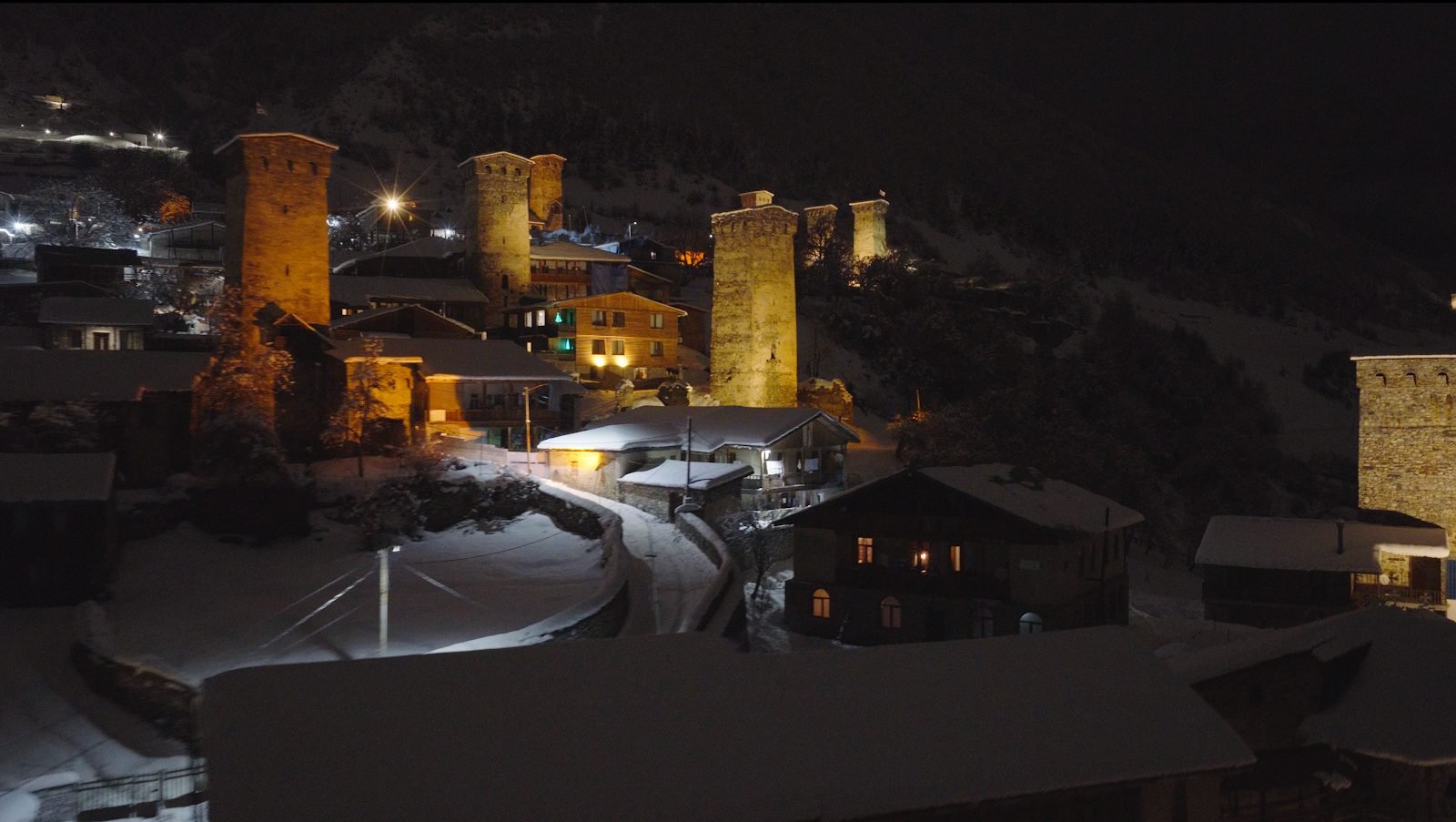
When looking at Svan towers, notice the surrounding houses and streets too. The tower is part of a settlement, not an isolated emblem. Ask a guide how local names are used and which questions a family or institution is comfortable discussing.
For a visit to Ushguli, UNESCO's Upper Svaneti entry offers a separate heritage reference focused on the cultural landscape and Chazhashi. Do not extend that designation to every building or every village in the region.
Keep the old book out of navigation decisions
Use contemporary route information for walking, transport and access. A historical crossing does not prove that a path, bridge or permission exists now. Do not design an outing solely to recreate a passage or an old image.
For a less hurried approach, choose a museum visit, a walk through public village lanes and time to read. The photography guide explains how to record places without treating homes as a set. The wider culture overview connects the reading with visits available today.
The value of the book is a conversation between accounts, not a test of whether Svaneti still matches a nineteenth-century description. Let contemporary voices complicate the picture.
Related
Plan this with us
Local Svan guides, based in Mestia all year round.