
Georgian Caucasus
Svaneti, Georgia
Mountain valleys, tower settlements and living communities in northwest Georgia. Plan the kind of visit you want, then allow time for the journey and changing conditions.
Explore further
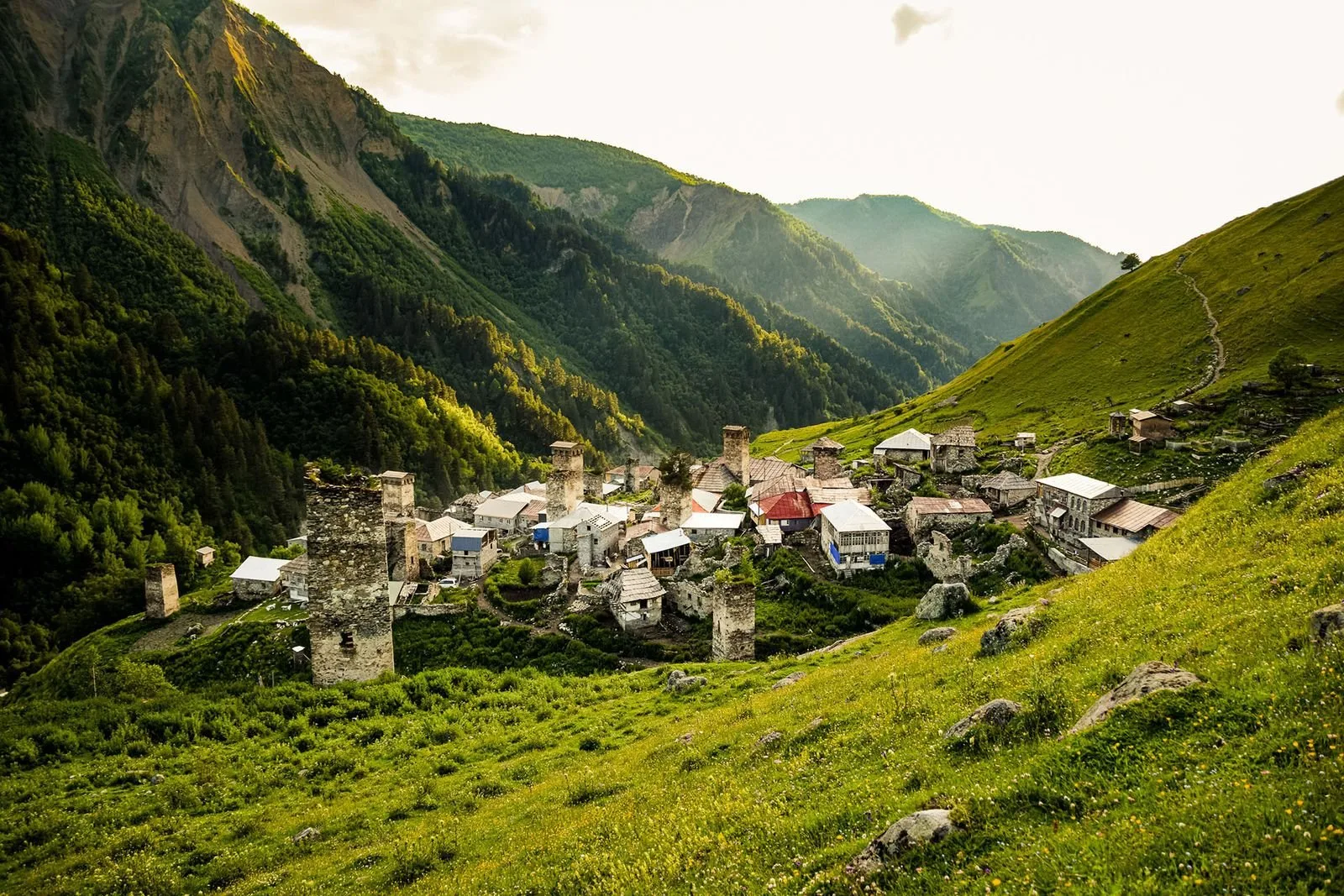
Adishi: the village at 2,040 m where twenty people live
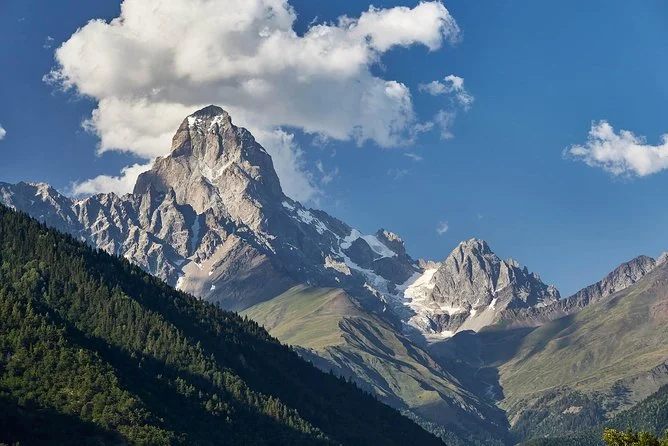
Becho Valley: The Ground Under Ushba
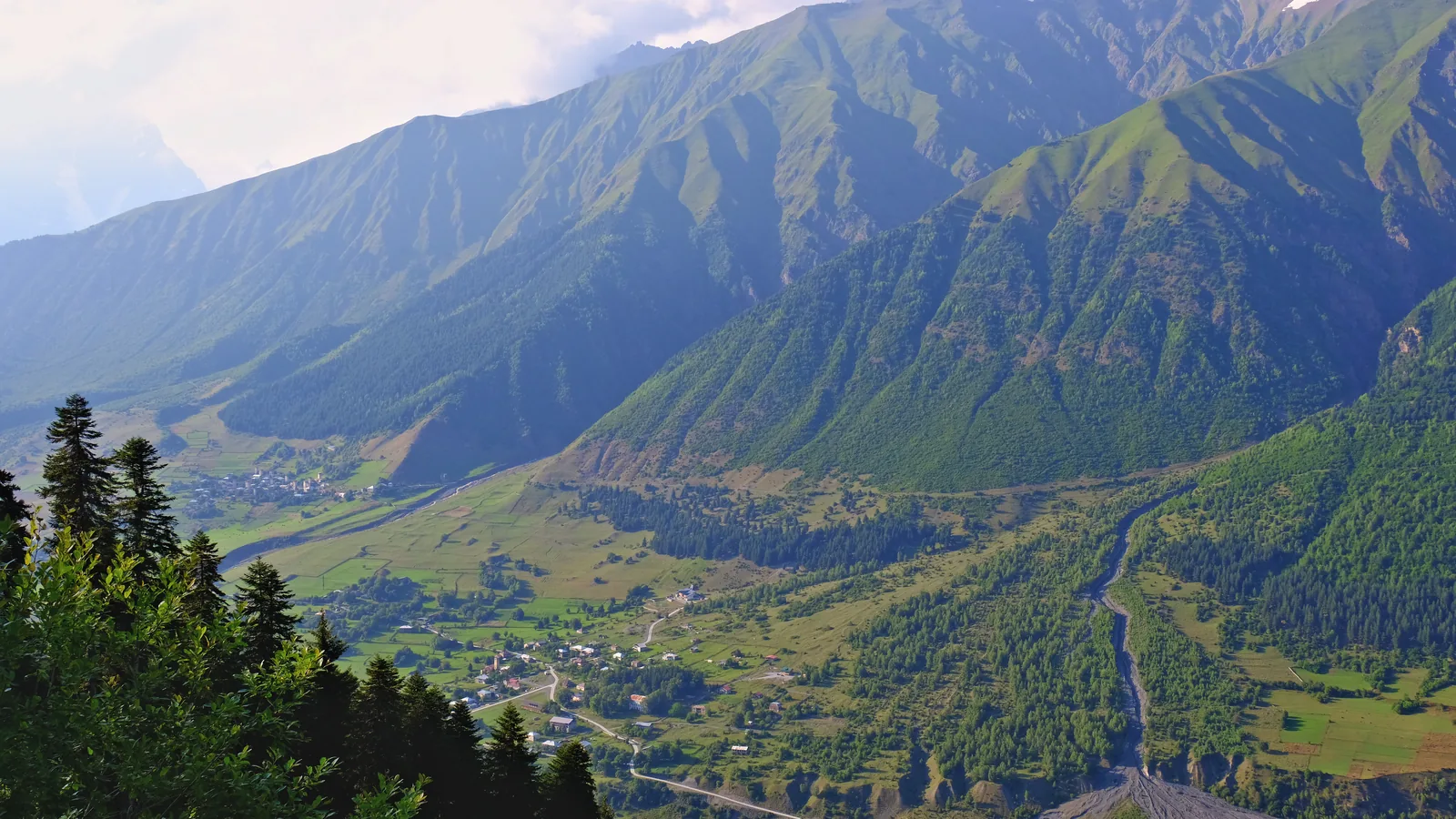
Zhabeshi and Chvabiani: the Mulakhi valley, eleven kilometres east of Mestia
Etseri: The Quiet End of Western Svaneti
Hatsvali: the Ski Hill Directly Above Mestia
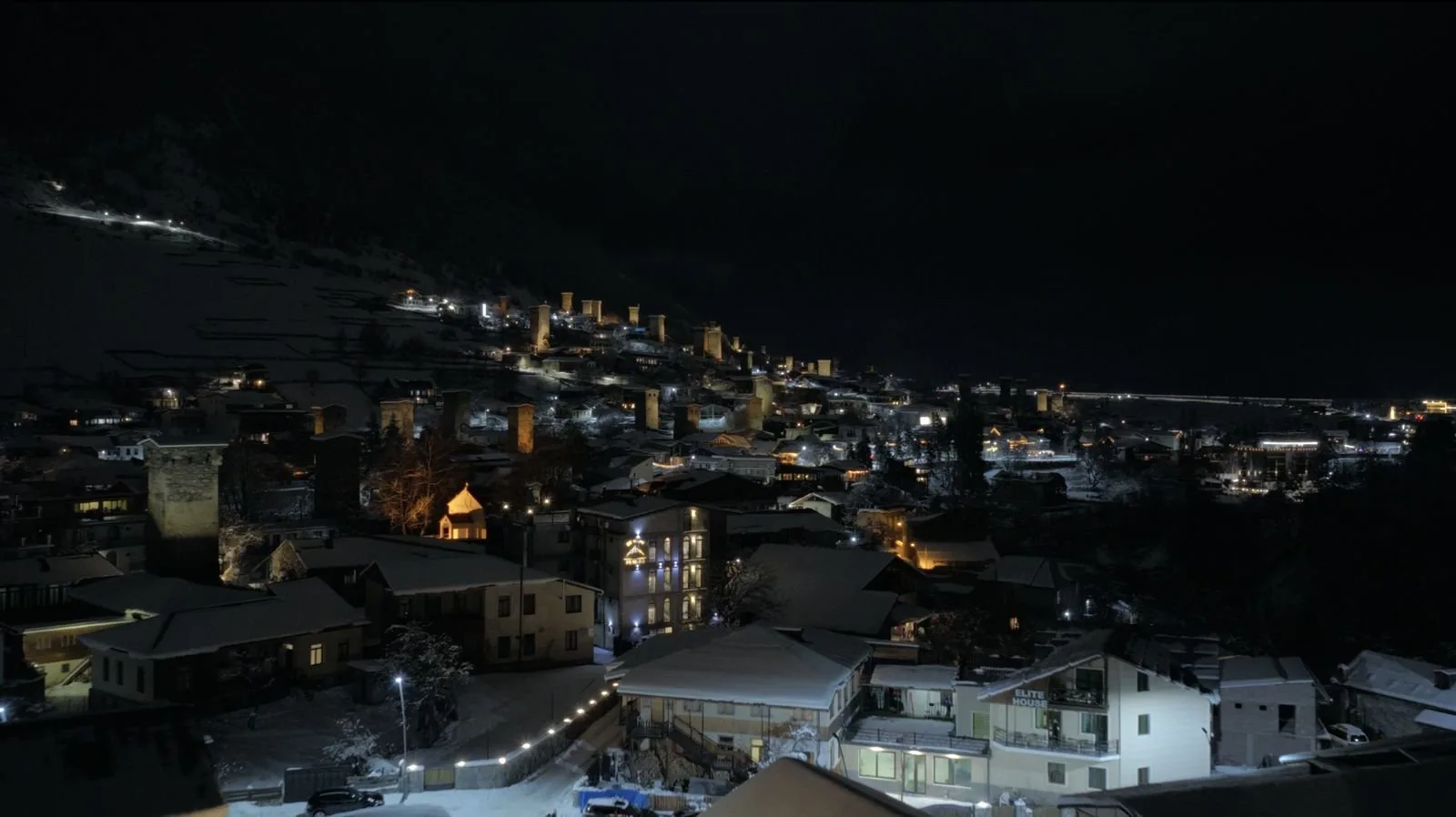
Mestia: the town where every Svaneti trip begins
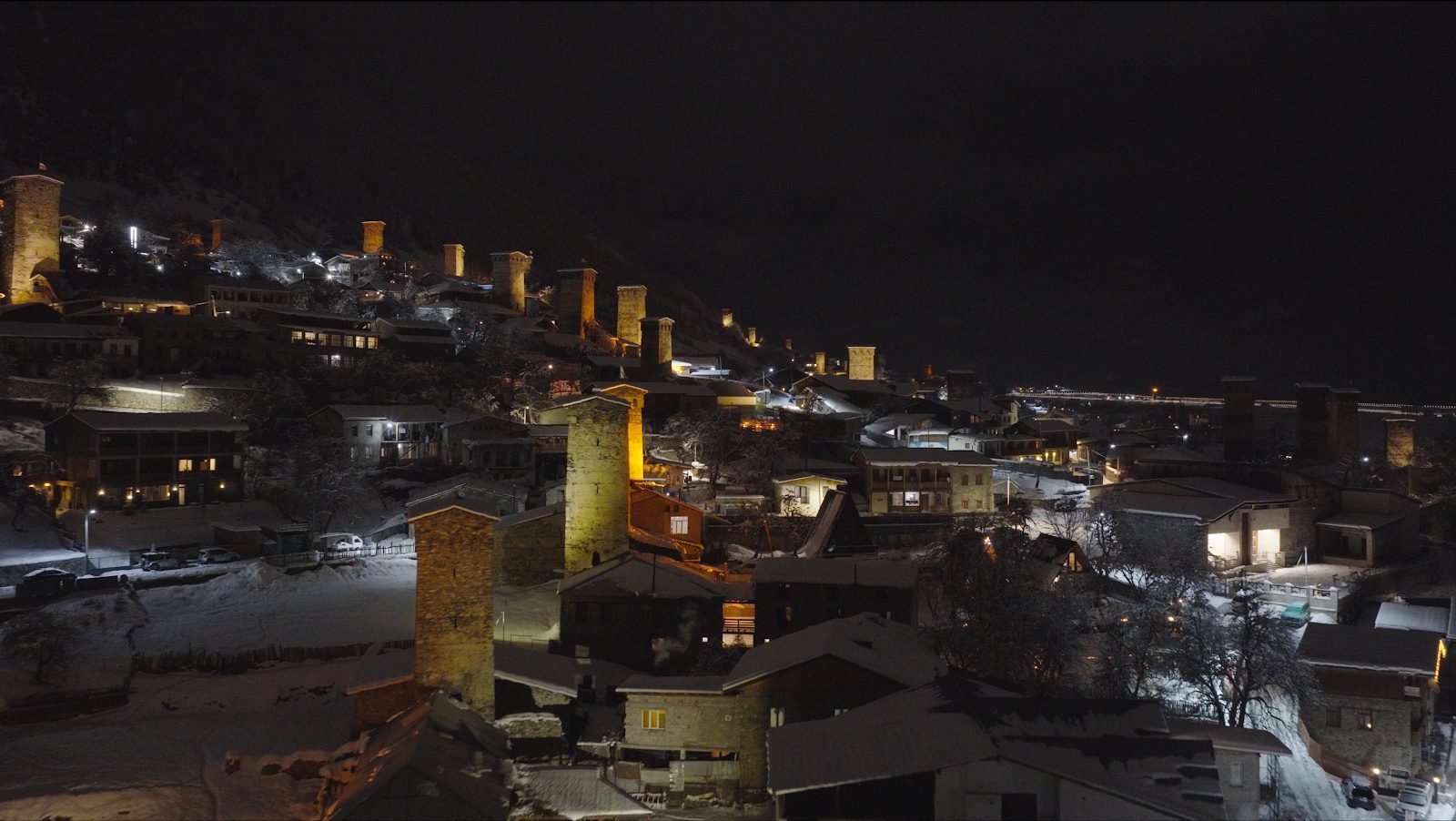
Svaneti Itineraries for 3, 5 and 7 Days
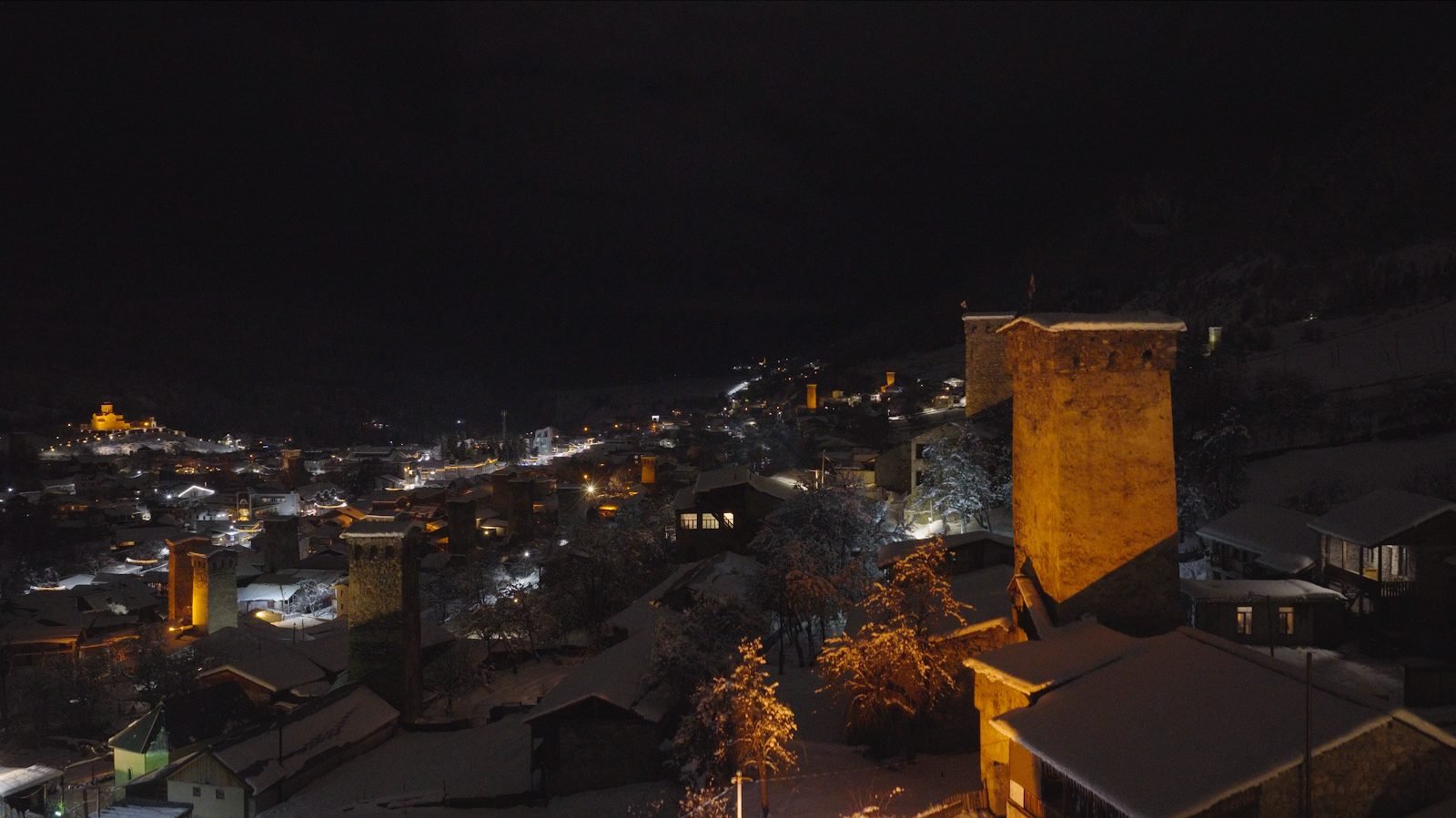
Photographing Svaneti: Places, Light and Respect
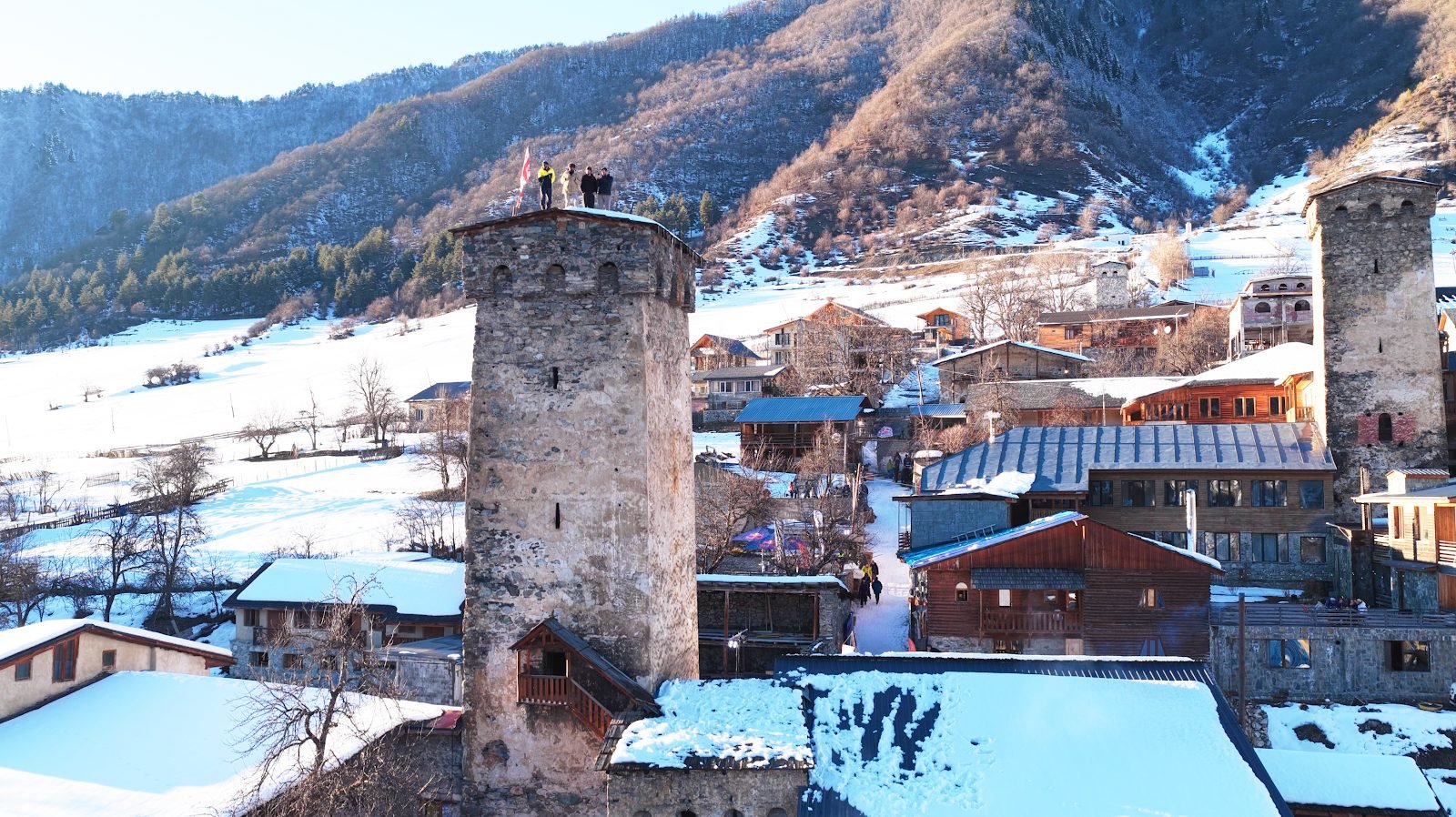
Svaneti or Kazbegi: Which Fits Your Trip?
Tetnuldi: the mountain, the ski resort and how to ski it
Tviberi and the Lashera Hut: hut-based ski touring in western Svaneti
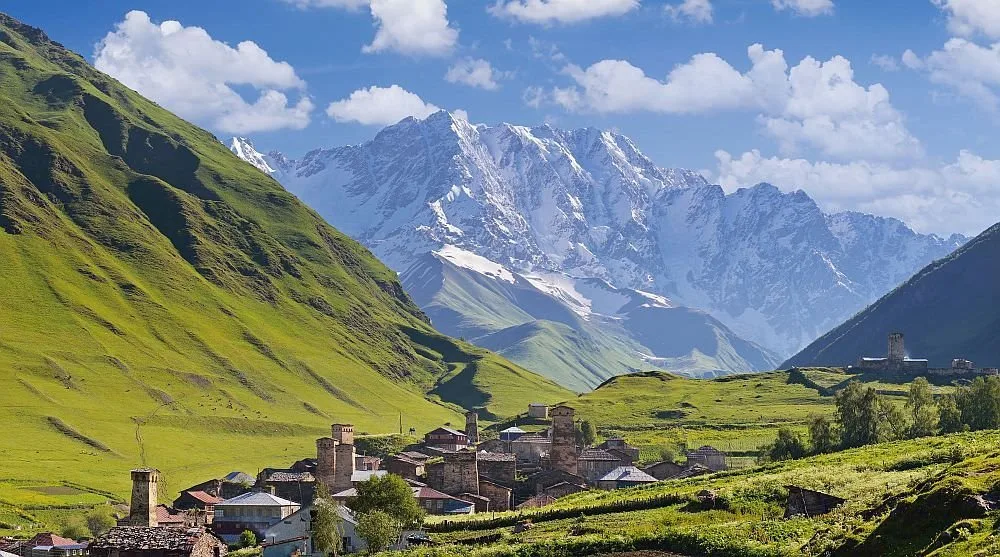
Ushguli: the community at 2,200 m beneath Shkhara
On this page
Start with the kind of stay you want
Svaneti is a mountain region in northwest Georgia. For a first visit to Upper Svaneti, Mestia is a useful starting point for accommodation, cultural visits and separate outings. Staying in one base is different from a village-to-village trek: choose between them before assigning a mountain excursion to every day.
The 3-, 5- and 7-day itinerary guide helps you allocate time without treating arrival and departure as full activity days. If you are choosing between regions, the Svaneti–Kazbegi comparison considers the wider Georgia journey, not a ranking of scenery.
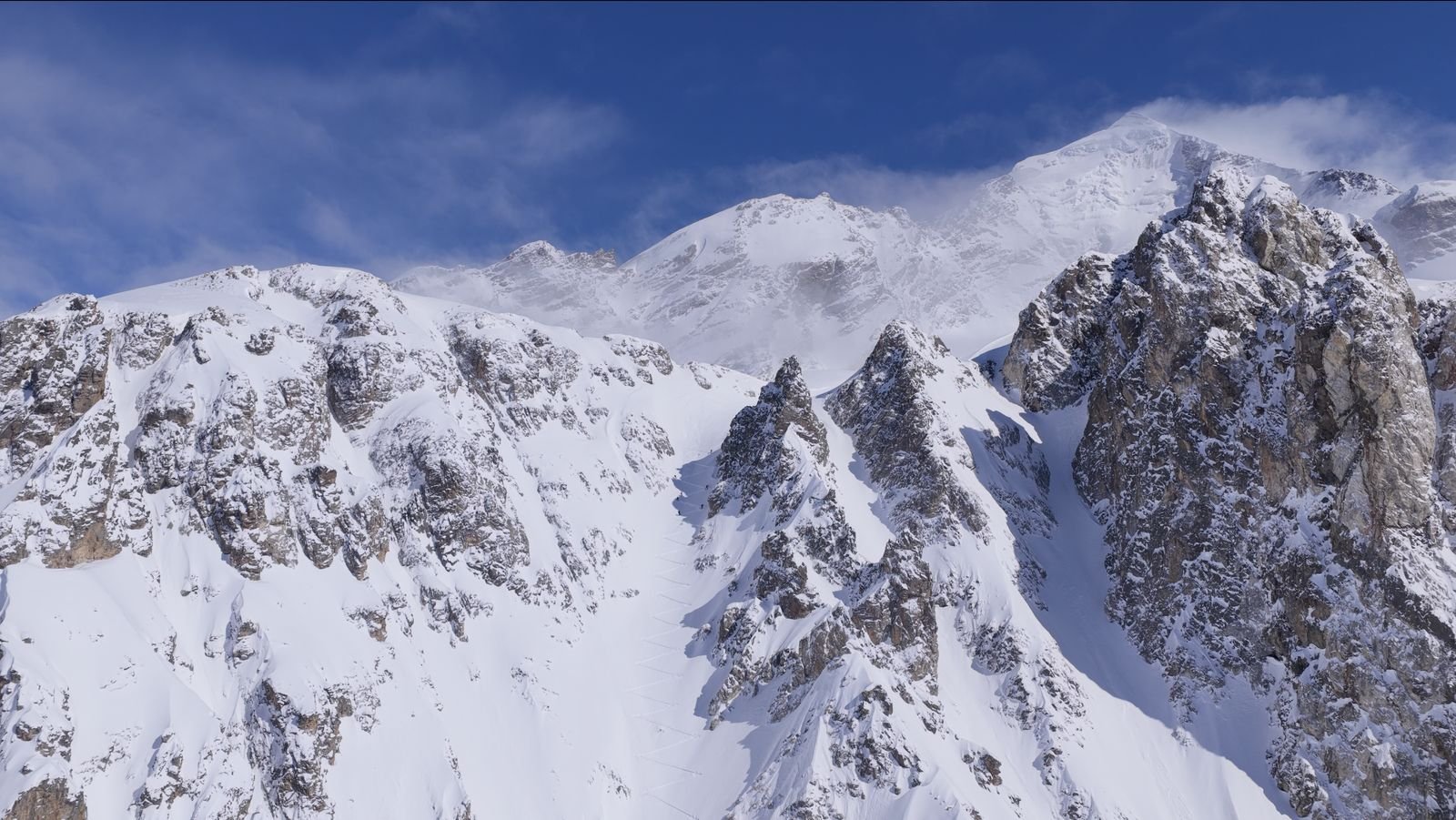
Villages and bases
Mestia suits a stay with repeated returns to the same room. Use the accommodation guide to think about location and access, not just a photograph of a tower.
Ushguli offers another settlement landscape near Shkhara. UNESCO's Upper Svaneti entry describes the cultural landscape and Chazhashi. The designation should not be extended to every village or property in Svaneti.
Becho and Adishi have separate destination guides. Choose them for their location and the outing you intend, with accommodation and onward transport confirmed. A place appearing on a trek map does not establish which services are operating today.
Mountains and viewpoints
Use the Ushba, Shkhara and Koruldi guides to distinguish a landscape viewpoint from a mountain objective. Seeing a summit from a village does not make an ascent part of an ordinary sightseeing day. For personal images, the photography guide offers alternatives when clouds hide the distant view.
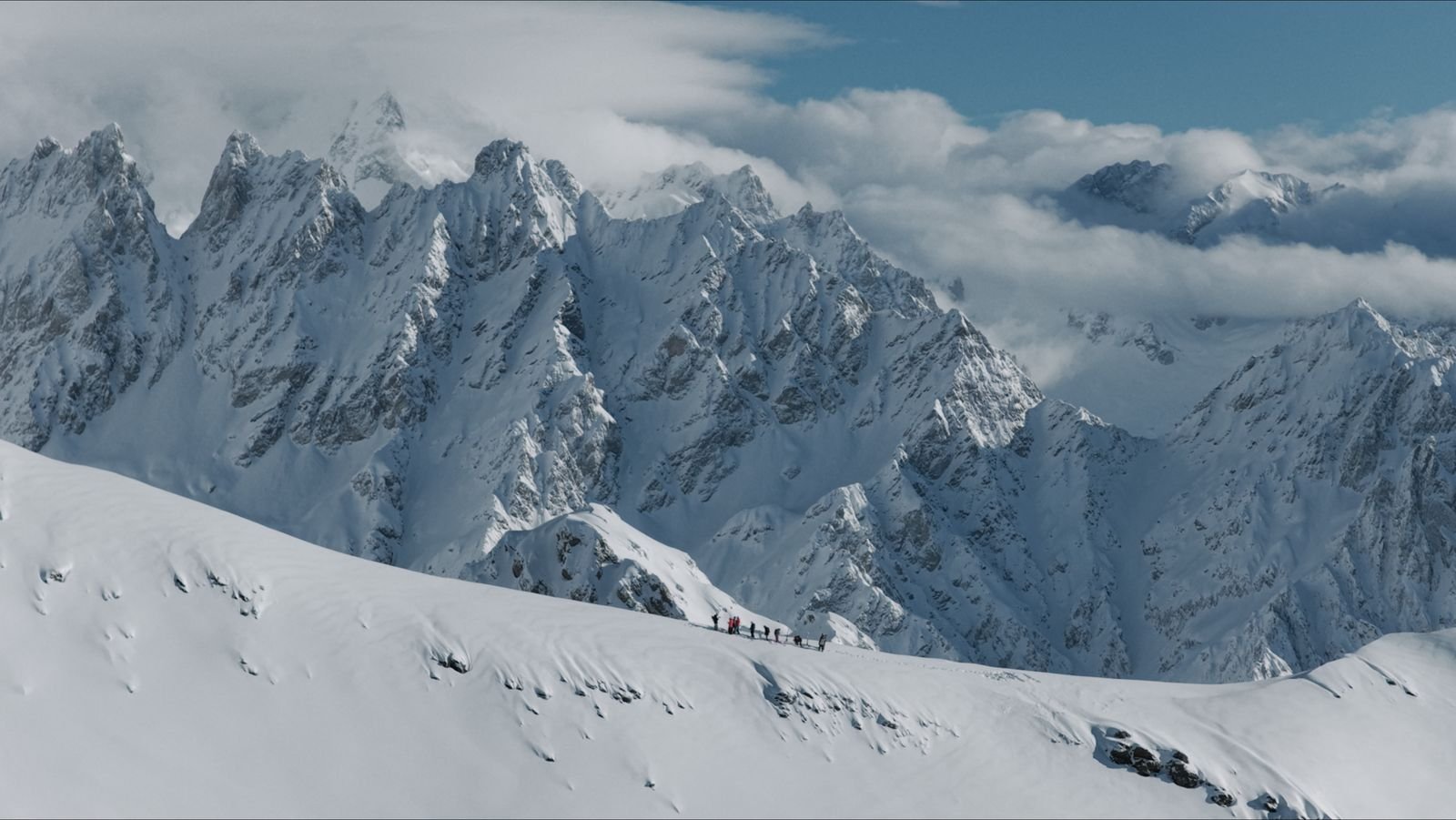
Walking and trekking
The hiking overview compares outings and links to the individual route guides. The Mestia–Ushguli trek is a separate multi-day commitment involving overnight arrangements and route decisions. Do not use a destination overview to judge river crossings or high passes.
For a different activity, consult horse riding and confirm the proposed outing directly. A short visit can combine a cultural day with one suitable walk; it does not need to cover every valley.
Winter choices
Start with Tetnuldi and Hatsvali for ski-area context. Lift operation, road access and off-piste conditions are separate questions. Winter services such as freeride, catskiing and ski touring have their own scope and requirements; a destination guide does not establish their availability or suitability.
Culture beyond a quick stop
The culture overview connects museums, architecture, food and arranged visits. Explore Svan towers alongside the surrounding homes, and give museum collections time of their own. For food, start with the dish and meal-planning guide; an arranged supra is a different decision from booking a room with dinner.
Before you book
Choose a broad season with the best-time guide, then recheck the specific activity and access for your dates. Use the transport overview for the route into Mestia and the packing checklist for preparation. Keep a less demanding alternative for a disrupted day.
For a supported itinerary, describe your dates, interests and experience through our contact page. Compare the proposed arrangement with the published packages; the examples in a planning guide are not automatically a bookable programme.