
Svaneti · Georgia
Guided Mestia to Ushguli Trek
Four walking days with a guide, three guesthouse nights, meals, luggage transfer and return to Mestia included.
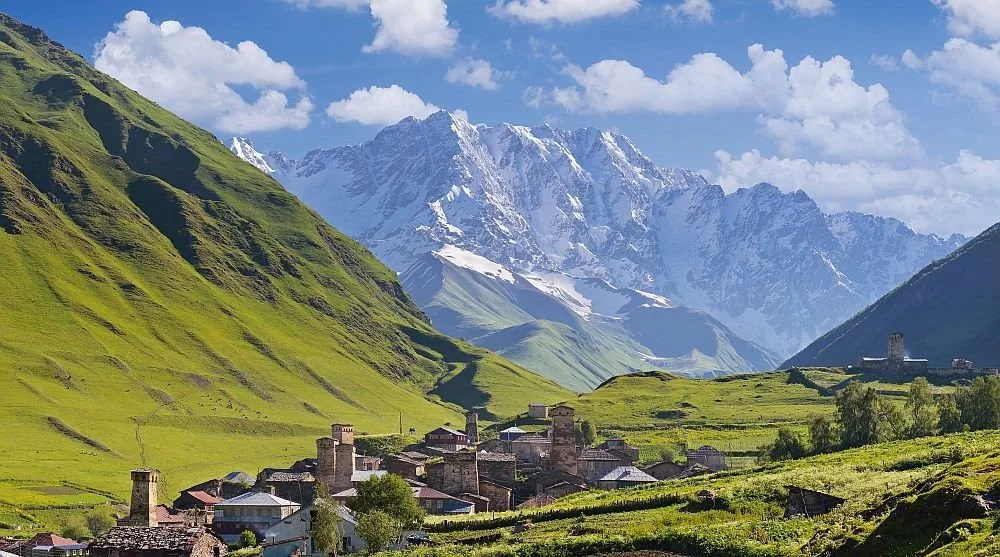
Ushguli beneath Shkhara in summer
- Route
- Mestia → Ushguli
- Duration
- 4 walking days / 3 nights
- Included
- Guide, guesthouses, meals, luggage
- Return
- Transfer to Mestia included
On this page
Overview
Part of Ushguli — the place, how to get there and everything else on offer around it.
Villages on the route
Walk through Upper Svaneti from Mestia to Ushguli over four days, staying in village guesthouses along the way. The route connects Zhabeshi, Adishi and Iprali before reaching Ushguli, combining mountain walking with the villages that make this part of Georgia distinctive.
Our guided trek includes a guide, three guesthouse nights along the route, meals, luggage transfer and the return journey from Ushguli to Mestia. You walk with your daypack while the overnight arrangements and the movement of your larger bag are organised as part of the trip.
This is a mountain trek, not a four-day sightseeing tour by vehicle. You need to be comfortable with repeated walking days, ascent and descent, and an itinerary that may change when mountain or river conditions require it.
The trip at a glance
| Part of the trip | Planned arrangement |
|---|---|
| Start | Mestia |
| Finish on foot | Ushguli |
| Walking programme | Four days |
| Overnight stops | Zhabeshi, Adishi and Iprali area, subject to the confirmed itinerary |
| Accommodation | Three nights in village guesthouses |
| Included services | Guide, guesthouse nights, meals, luggage transfer and return to Mestia |
| What you carry while walking | Your daypack and what you need until the next luggage handover |
| Before and after the trek | Arrival in Mestia, extra nights and onward travel arranged separately unless included in your proposal |
Four walking days do not mean you can arrive from the airport, complete the trek and leave Georgia within four calendar days. Allow for the journey to Mestia and your onward connection after returning from Ushguli.
Why walk rather than visit Ushguli by road?
A vehicle trip to Ushguli and a trek ending there share a destination, but they are different experiences. Walking gives you the sequence between the villages: leaving Mestia, climbing out of the Mulakhi area, approaching Adishi and crossing into the valleys beyond the pass.
The guesthouse nights are part of that journey. You do not return to Mestia every evening, so each morning begins farther along the route. For visitors who enjoy moving through a landscape rather than collecting separate day trips, that continuity is the main attraction.
If you want village visits with little sustained walking, a different Svaneti itinerary may suit you better. If you want a broader walking holiday with time on either side of the crossing, compare our seven-day summer package. The four-day trek remains its own product, not a shortened description of every summer trip we offer.
Four walking days through Svaneti
The itinerary below describes the planned village sequence. It is not a promise that a particular path or crossing will be usable on your travel dates. The guide may need to change the route, timing or overnight stop.
Day 1: Mestia to Zhabeshi
Leave Mestia and move through the Mulakhi valley landscape towards Zhabeshi. This first stage introduces the pattern of the trek: sections of walking between settlements, open views when conditions allow and an overnight stop in a village rather than a mountain hotel complex.
Use the first day to settle into a sustainable walking pace. Calling it an introductory stage does not make it a short stroll; you still need energy for the following days. Keep the things you will use during the day accessible in your pack rather than in the transferred luggage.
The Chvabiani and Zhabeshi guide provides background on the villages without turning this itinerary into a long destination history.
Day 2: Zhabeshi to Adishi
The next stage climbs away from the Zhabeshi area before descending towards Adishi. It feels different from following a valley floor: sustained ascent and the descent afterwards are part of the day's effort.
Adishi is one of the important overnight stops on the route. Arriving there also means preparing for the following mountain stage, not assuming that the hardest part of the trip has already been completed. The guide will discuss the next day's plan in light of current conditions.
Day 3: Adishi to Iprali via the Chkhunderi Pass
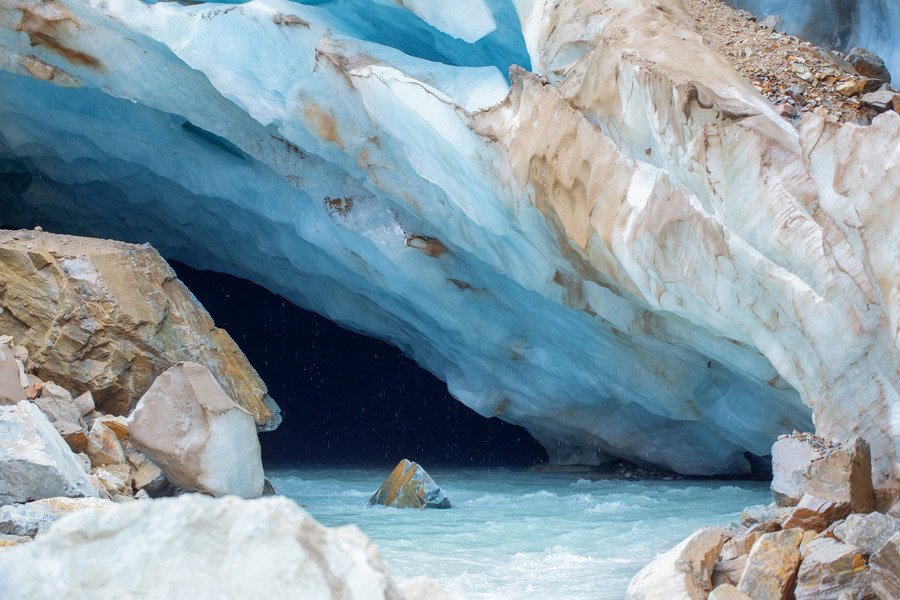
This is the stage where river conditions and the mountain crossing need particular attention. The planned route continues from the Adishi valley towards the Chkhunderi Pass, then descends through the Khalde area towards Iprali.
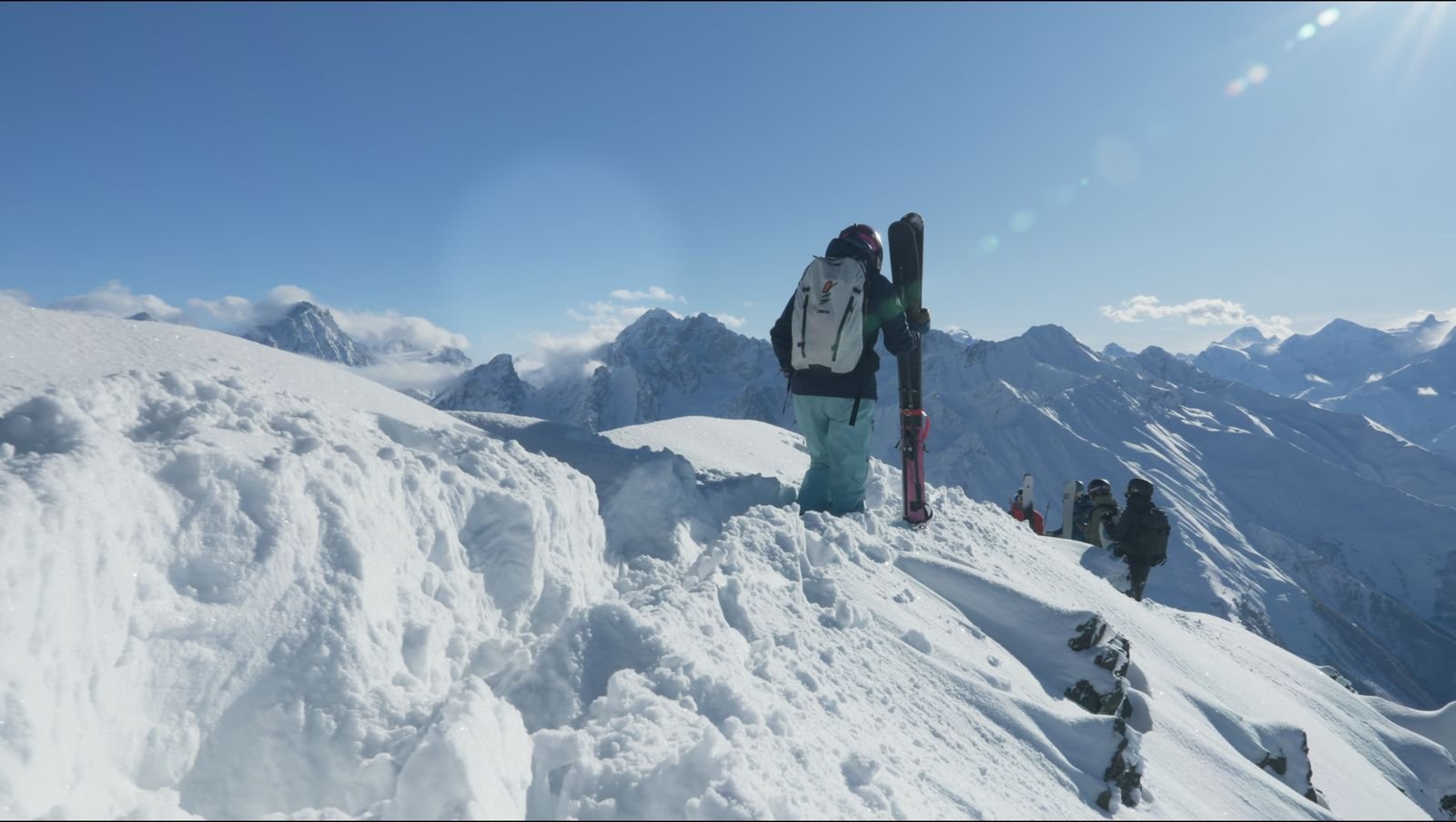
Treat it as a substantial walking day, with both ascent and a long descent. A pass is not simply a viewpoint to visit and leave: you need enough capacity for the rest of the stage as well. Snow, rain, the river and the group's pace can affect the plan.
The Adishi river crossing is not guaranteed merely because it appears in the itinerary. A guide must assess the actual situation. Horse assistance, when available and appropriate, is a separate practical arrangement—not a promise that the crossing becomes acceptable in any water conditions. If the planned route cannot be used, changing the itinerary takes priority over completing the advertised line.
Day 4: Iprali to Ushguli
The final stage brings the journey towards Ushguli. The particular route determines how much ascent, trail walking and road connection is involved; do not assume that the last day is entirely flat because it ends in a village.
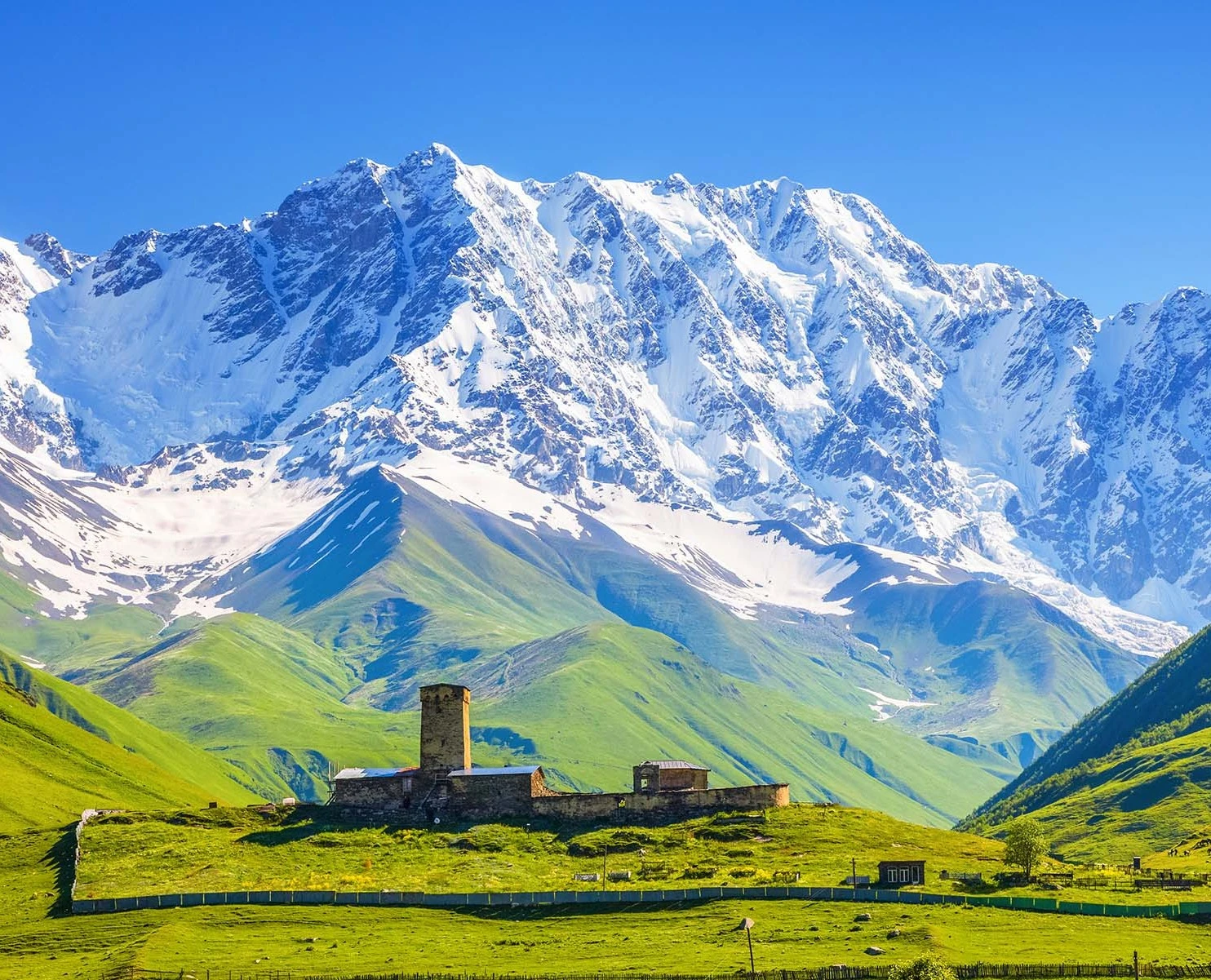
Arrival in Ushguli completes the walking programme, followed by the included return to Mestia. Time for village exploration depends on the day's progress and the agreed return arrangements. A separate excursion towards Shkhara is not automatically included simply because the mountain is part of the view.
Related routes
How difficult is the trek?
Think in terms of consecutive mountain days rather than a single difficulty label. You need to be able to walk over uneven ground, sustain an uphill section, descend when your legs are tired and be ready to continue the next morning.
Luggage transfer reduces what you carry, but it does not reduce the amount of walking or remove the demands of the terrain. The daypack still contains the clothing, water, food and personal items you need while away from your larger bag.
Tell us about a recent walk that is comparable in duration and ascent. If you have not completed a multi-day trek, say so; we need to understand your experience rather than infer it from general fitness. Mention anything that affects your ability to walk long descents or maintain the group's pace.
The distances and times seen online vary because route variants, accommodation locations and measurement methods differ. Your confirmed itinerary should describe the stages you will actually walk. A short advertised distance is not, by itself, evidence of an easy day.
Guesthouses and meals
The programme includes three nights in village guesthouses along the route. This keeps the journey village-to-village, with a place to eat and rest before the next stage.
Room arrangements and facilities should be checked against the booked accommodation. Do not assume that every guesthouse has the same bathroom setup, heating, charging access or hot-water provision as a hotel in Mestia. If a particular facility is essential to your comfort, tell us during planning.
Meals are included in the trek. The detailed meal schedule, packed-lunch arrangements and any requirements for the first or last day should appear in your proposal. Mention allergies or dietary needs in advance so that the actual guesthouses can confirm what they can provide; a general description of local food is not confirmation of a specific dietary arrangement.
Luggage transfer: what stays with you?
Luggage transfer is included. The practical details—bag size, handover points and access to your bag during the day—need to match the route and accommodation plan. Confirm those before deciding what to pack.
Keep rain protection, warm layers, drinking water, trail food, essential personal items and anything you may need before the next stop in your daypack. Transferred luggage should not contain the only copy of something you need while walking.
This service concerns the agreed movement of your bag between overnight arrangements. It does not mean that a vehicle follows every section of the trail or that you can call for your luggage at any point along the route. In the same way, included luggage transport is not an automatic passenger pickup if you choose to stop walking.
When to plan the trek
For general planning, the Transcaucasian Trail describes July to September as the usual Upper Svaneti hiking period, with the edges of the season depending on conditions. Higher sections can retain snow earlier in the summer. These are regional guidelines, not confirmation that this particular itinerary will operate on a chosen date. TCT practical information
Early and late dates need a more specific conversation about the route and overnight arrangements. Even during the main hiking period, rain, storms or river conditions can require changes. Decide on dates together with the realistic itinerary rather than treating a broad season label as a guarantee.
The Adishi river: an important planning point
The river deserves a clear explanation, not a dramatic sales story or a promise that it is always straightforward. The TCT's published notes warn that high water can make crossing on foot challenging or impossible, including early in the day. Official Adishi–Ushguli route notes
The guide's current assessment matters more than a photograph of someone crossing on a previous trip. Do not regard an early start, walking poles or the possibility of a horse as proof that the crossing is suitable. The plan may need to change, and the booking discussion should explain how any additional transport or altered services are handled.
This page is for planning a guided trek; it is not a set of instructions for attempting a river crossing independently.
Packing for four days
Bring walking footwear you have already used, clothing for changing mountain weather and a daypack that is comfortable for sustained walking. Pack rain protection and warm layers even when your arrival day in Mestia is sunny.
Useful personal items include sun protection, a headlamp, charging arrangements, water containers and your necessary personal supplies. Discuss poles and any route-specific equipment with the guide. Bring the items you actually use on a mountain day, not an oversized bag of unfamiliar equipment.
Our Svaneti packing list covers the wider trip. The trek-specific list should also tell you what the guesthouses supply so that you do not carry unnecessary overnight equipment.
Arriving and leaving
Plan to be in Mestia in time for the agreed start. Transport from elsewhere in Georgia should be arranged around that commitment, not attached to the beginning of the first walking stage without checking the timing.
The trek includes the return from Ushguli to Mestia. Any onward journey from Mestia is a separate connection unless included in your proposal. Avoid treating the return time as an exact promise when booking a tight onward departure.
Use how to get to Mestia for travel options and where to stay in Mestia for nights before or after the trek.
Plan your trek
Send your preferred dates, number of walkers and recent hiking experience. Mention room preferences, dietary needs, luggage requirements and your arrival and departure plans. That gives us the information to discuss the actual four-day journey rather than a generic Svaneti holiday.
Enquire about the guided Mestia–Ushguli trek · Meet our team
Plan your trip
Send your dates, group size, experience and equipment needs. We will discuss the appropriate plan and confirm the arrangements.
FAQ
Good to know
01Are the guesthouses, meals and guide included?+
Yes. The guided trek includes three guesthouse nights along the route and meals. The written itinerary should specify the accommodation and meal arrangements for your dates.
02Is luggage transfer included?+
Yes. Confirm the permitted luggage, handover points and the stages covered. You still carry your daypack with what you need while walking.
03Do we return to Mestia at the end?+
Yes. Return transport from Ushguli to Mestia is included. Travel beyond Mestia and extra accommodation nights are separate unless listed in the proposal.
04Do I need camping equipment?+
This is a guesthouse-based itinerary, not a camping trek. Check the final packing list and what your accommodation supplies before bringing overnight equipment.
05Is the river crossing guaranteed?+
No. The actual conditions determine whether and how the planned stage can proceed. The guide may change the itinerary; the availability of a horse is not a guarantee that a crossing is appropriate.
06Is four days the complete time I need in Georgia?+
No. It is the walking programme. Add the necessary time to reach Mestia and to continue your journey after the included return there.