
/Cultural & Heritage
Cultural & Heritage Tours
Svaneti kept what the lowlands lost. Guided days through the tower villages, the museum treasury in Mestia and the UNESCO core at Ushguli — with the history explained by people whose families lived it..
Working bread dough by hand
On this page
Overview
- Where
- Mestia, Latali, Ushguli
- Includes
- Guide, entries, village lunch
- Duration
- Half day or full day
- Season
- Year-round
- From
Read more
Overview
Georgia’s attic, opened properly.
Because no army could winter here — the passes close for half the year — Svaneti became the treasury of the Georgian nation: when the lowlands burned, the icons walked uphill. That is why the museum in Mestia holds 6th-century Syrian bronzes, 10th–11th-century repoussé icons and illuminated manuscripts that never left these valleys.
A guided day covers Mestia — the museum treasury and the Margiani house-museum, the one interior where you climb a genuine family tower and stand in a machubi, the single winter hall where family and livestock shared warmth either side of a carved partition — then Latali’s frescoed churches or Ushguli’s UNESCO core at Chazhashi with the Lamaria church, 9th–10th century.
The day includes
- +
- Certified local guide
- +
- Museum and church entries
- +
- Margiani tower house visit
- +
- Village lunch
- +
- Towers, feuds and Free Svanetia explained
- +
- Transfers between villages
Per group
Price covers the whole group, up to six people. Full-day version includes the Ushguli circuit. The best programme for a weather day.
Related
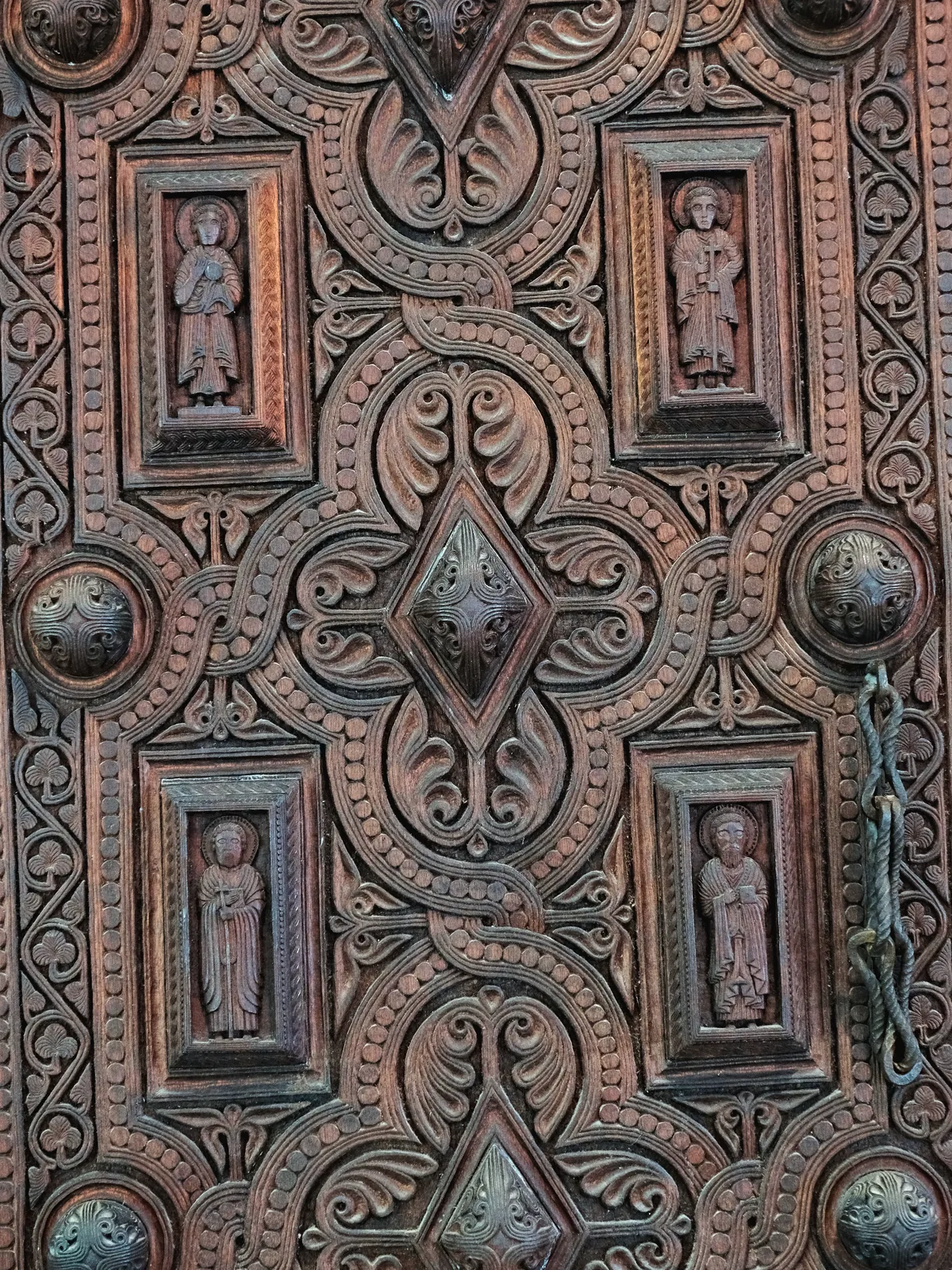
Cultural and heritage tours of Upper Svaneti
The towers are not decoration. Built mainly in the 9th–12th centuries, three to five storeys with the entrance at first-floor level and ladders that pull up, each belonged to a family that might need to defend itself for months. Douglas Freshfield counted “no less than seventy” above Mestia in 1868 and compared the skyline to the cities of Tuscany. The communes that built them governed themselves without princes — “Free Svanetia,” where the village assembly of every adult man decided everything, and, as he noted with astonishment, “a late comer could reopen the debate.” UNESCO listed Upper Svaneti in 1996. What you walk through is the European Middle Ages with the lights on, and inhabited. Freshfield returned in 1887 and walked Ushguli “alone and unarmed by day and night, as freely as I should in Switzerland,” counting over fifty towers and two castles — one of them, locals told him, Queen Tamar’s winter residence. The tradition still stands, and so does most of what he counted.
The guide is the difference: what the towers were for, why sacred trees have stone council-seats beneath them, what Lamproba’s February torches remember, and how a millennium of Christianity kept older things alive inside it — Freshfield’s Svan porters, fog-bound on a glacier in 1887, sat on the snow and prayed to the sun, “as persistent as the priests of Baal, but with better success.” Pairs naturally with hiking or a supra evening. Photography is often restricted inside churches — the locked-door tradition is four centuries old and earned; the guide negotiates village by village.
Good to know
Runs year-round and is the strongest option on a rained-off or storm day, when the mountains are closed but the valleys are not.
Related tours & guides
FAQ
Good to know
01What does a cultural day cover?+
Mestia’s museum treasury and the Margiani tower house, then either Latali’s churches or the Ushguli UNESCO core with Lamaria. Full days include village lunch and transfers. Half days stay in Mestia.
02Is Ushguli included?+
In the full-day version, yes — Chazhashi’s towers and the Lamaria church, 9th–10th century under Shkhara. Half-day programmes stay in the Mestia valley.